Semiconductor EUV photoresist market to hit $10.8 billion by 2033
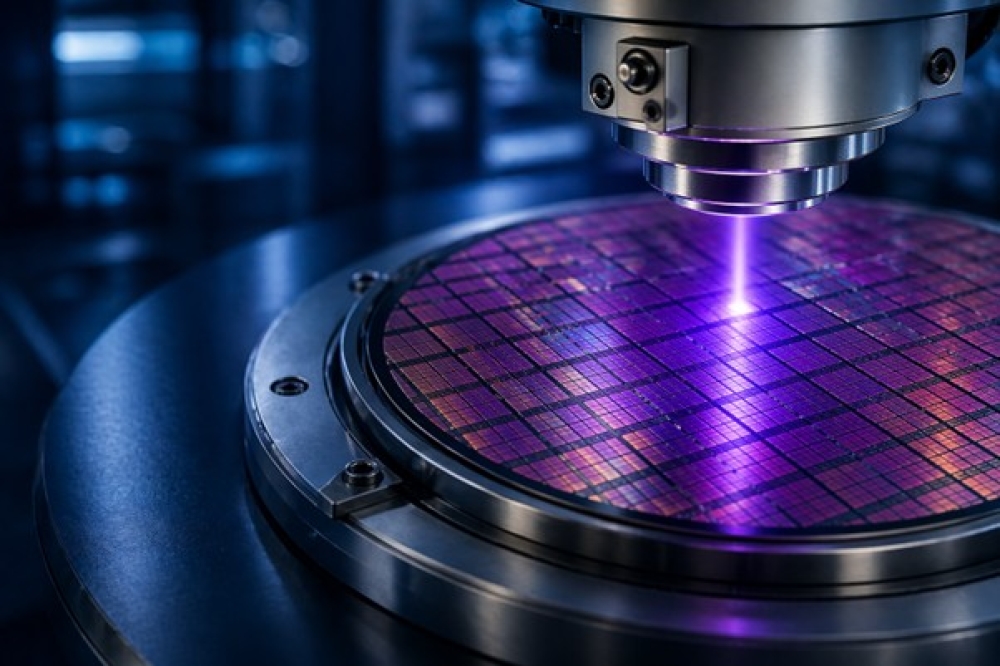
By 2033, the market is projected to reach USD 10.8 billion, driven by the relentless demand for advanced semiconductor manufacturing and the transition to sub-7nm nodes. The primary factor fueling this growth is the increasing adoption of extreme ultraviolet (EUV) lithography in the production of next-generation integrated circuits and memory devices, enabling higher transistor density and improved performance.
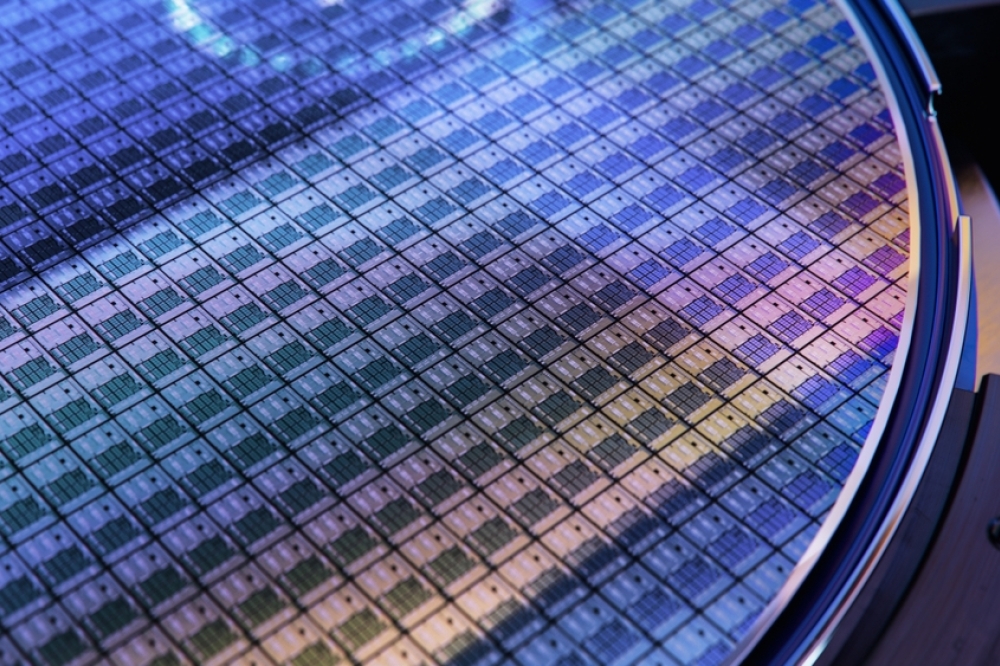
The semiconductor EUV (Extreme Ultraviolet) photoresist market is emerging as a critical segment within the global semiconductor manufacturing ecosystem. As chipmakers transition to advanced process nodes below 7nm and even 3nm, EUV lithography has become essential for achieving higher precision and transistor density. EUV photoresists play a vital role in enabling this next-generation patterning technology.
Market Drivers
One of the primary drivers of the EUV photoresist market is the accelerated adoption of advanced semiconductor nodes. Leading foundries and integrated device manufacturers are investing heavily in EUV lithography systems to improve chip efficiency and reduce power consumption.
Another key factor is the explosive growth of artificial intelligence and machine learning applications. These technologies require powerful processors, which in turn depend on highly advanced semiconductor fabrication processes. EUV photoresists are indispensable in achieving the precision required at such nanoscale levels.
Additionally, the increasing demand for smartphones, data centers, and electric vehicles is pushing semiconductor manufacturers to adopt more sophisticated lithography techniques, further supporting market growth.
Technological Advancements in EUV Materials
Innovation in EUV photoresist chemistry is playing a crucial role in shaping the market. Traditional chemically amplified resists are being enhanced to improve sensitivity, line edge roughness, and resolution.
Researchers are also focusing on metal oxide-based resists, which offer improved absorption of EUV light and better pattern fidelity. These advancements are helping overcome challenges such as stochastic defects and photon shot noise, which have historically limited EUV adoption.
Furthermore, collaboration between semiconductor equipment manufacturers and chemical companies is accelerating the development of next-generation resist materials tailored for sub-5nm nodes.
Challenges in the Market
Despite strong growth potential, the EUV photoresist market faces several challenges. One of the major issues is the high cost of EUV lithography systems and associated materials, which limits adoption to only leading semiconductor manufacturers.
Another challenge is the technical complexity of developing resists that meet stringent performance requirements at extremely small geometries. Issues such as defect control, sensitivity balance, and resolution limits continue to pose hurdles for material developers.
Supply chain constraints for high-purity raw materials also impact production scalability, making consistent availability a concern for manufacturers.
Competitive Landscape
• Tokyo Ohka Kogyo Co., Ltd.
• JSR Corporation
• Shin-Etsu Chemical Co., Ltd.
• Sumitomo Chemical Co., Ltd.
• Fujifilm Electronic Materials
• Merck Group (EMD Performance Materials)
• DuPont de Nemours, Inc.
• Dongjin Semichem Co., Ltd.
• Micro Resist Technology GmbH
• Allresist GmbH
Future Outlook
The semiconductor EUV photoresist market is expected to experience sustained growth as the industry moves toward sub-3nm and even more advanced nodes. As demand for faster, smaller, and more efficient chips continues to rise, EUV lithography will become increasingly central to semiconductor manufacturing.
In the coming years, breakthroughs in material science and lithography precision are expected to unlock new opportunities, making EUV photoresists one of the most strategically important materials in the semiconductor value chain.
Source: https://growthmarketreports.com/report/semiconductor-euv-photoresist-market