Siemens Reaches $1 Billion Milestone in U.S.

Five-year investment programme strengthens domestic supply chains, supports AI-driven infrastructure demand, and signals long-term commitment to American industrial growth.
Siemens has announced it has reached $1 billion in U.S. manufacturing investments over the past five years, marking a significant milestone in its strategy to expand domestic production and support critical infrastructure sectors.
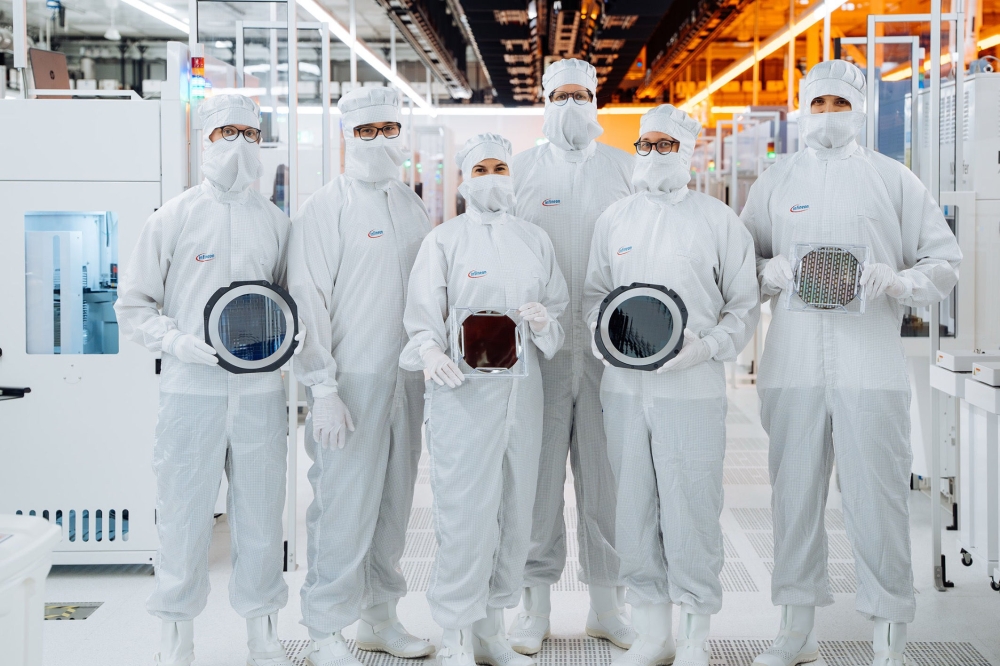
The investments, with projects coming online throughout 2026, span multiple states and industries, including industrial automation, transportation, and electrical infrastructure. The programme is designed to strengthen local manufacturing capacity, improve supply chain resilience, and create high-quality jobs across the United States.
According to the company, its U.S. manufacturing footprint now supports a network of more than 16,000 suppliers, many of them small and mid-sized businesses, underlining the broader economic impact of its localisation strategy.
A key driver behind the investment is accelerating demand for advanced infrastructure, particularly linked to AI, data centres, and electrification. Siemens has been scaling production of electrical systems and automation technologies required to support these sectors, including recent expansions in regions such as the Carolinas aimed at meeting data centre growth.
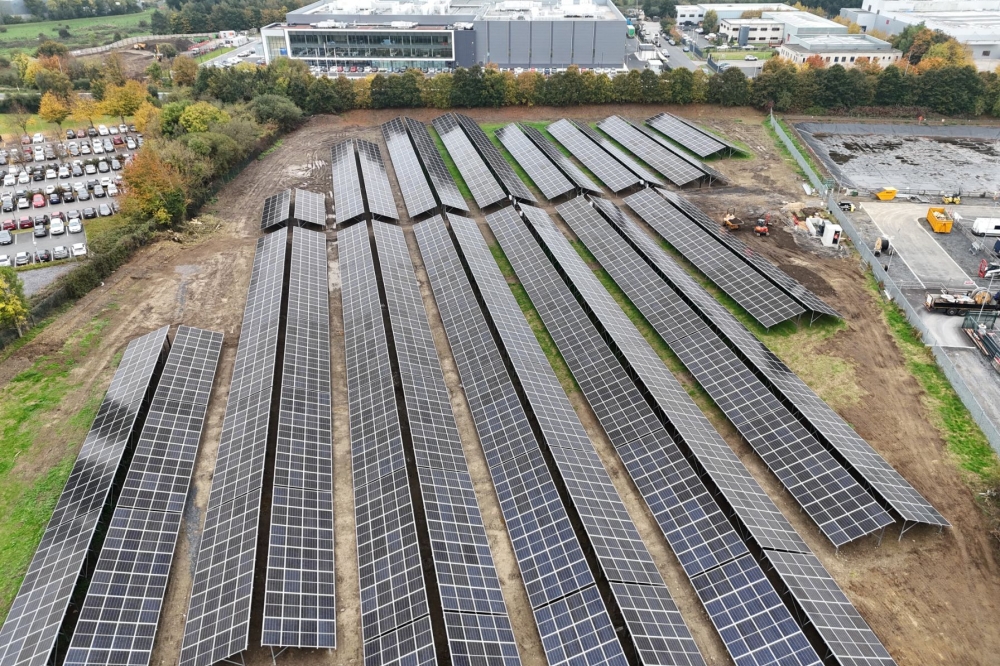
The company also emphasised sustainability as a core component of its manufacturing expansion. Several facilities incorporate carbon-neutral operations, on-site renewable energy systems, and electrified processes, aligning with Siemens’ broader target to achieve net-zero carbon emissions by 2030.
Beyond infrastructure and energy systems, the investment reflects a wider industrial shift toward regionalised production. As geopolitical pressures and supply chain disruptions reshape global manufacturing, companies are increasingly prioritising local capacity to ensure reliability and responsiveness to demand.
For Siemens, the U.S. remains a critical growth market. The $1 billion milestone signals not only a scaling of physical production, but also a deeper alignment with long-term trends in electrification, digitalisation, and intelligent infrastructure.
With projects continuing to ramp through 2026 and beyond, the focus now shifts to execution and workforce development, as manufacturers race to meet demand from AI-scale digital infrastructure and next-generation energy systems.