Driving success for customers
SIS: If we can start with your overall feedback from the recent SEMICON West event – was it a success for Greene Tweed?
AM: Absolutely. Attendance was up significantly from last year, and you could feel the energy throughout the event. Having it in Arizona was also a nice change, especially with so many customers now based there. And locals turned up in numbers, which really helped.
Our booth was also buzzing with activity – customers, partners, analysts – it was a steady stream of meaningful conversations. The overall tone of the event, I would say, was optimistic.
SIS: There were a number of challenges discussed during the event – economics, supply chain and geopolitics, talent shortage and sustainability issues – what’s the Greene Tweed take on these?
AM: Supply chain
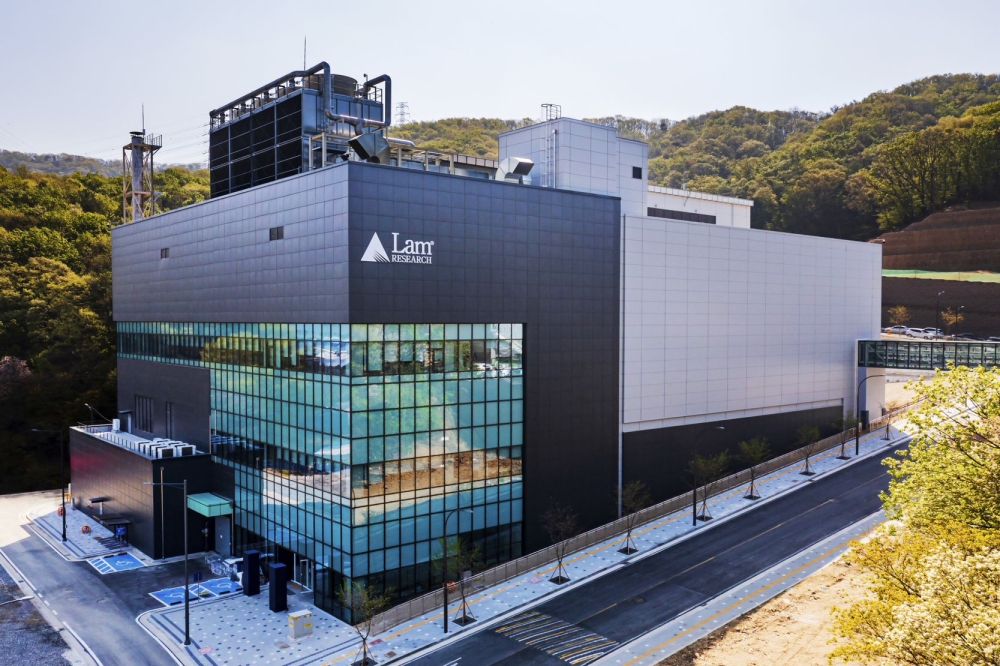
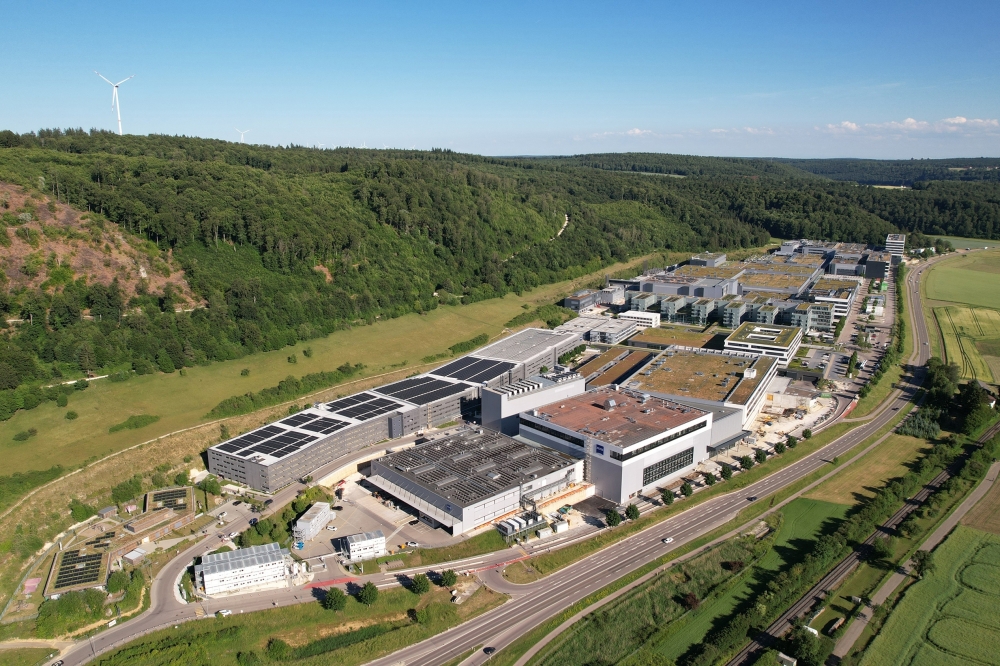
The semiconductor industry is inherently cyclical, and supply chain challenges will always persist. We’re focused on helping our customers navigate these complexities with innovative materials and solutions with our dual source model. On top of that, our global capacity investments ensure we’re ready to support the next wave of growth. Our latest being our new manufacturing facility in Korea.
Talent shortage
This is a critical issue for the industry. We ourselves are addressing it by fostering innovation and efficiency and making semiconductor careers more rewarding. Collaboration with partners and a focus on automation are key. Then there are great initiatives like the UK’s Women in Tech Works that are focused on attracting and retaining more women in the industry.
Sustainability
We’re committed to providing materials and solutions that perform at the highest level, while being mindful of their environmental impact. It’s about balancing innovation with responsibility. We have two projects in the works where sustainability is the key driver that we hope to bring to the market in the near future.

Fusion® F07 FKM seal assembly used in semiconductor SubFab vacuum fittings and vacuum system lines operating up to 355°F (180°C).
SIS: There was also a great deal of positivity about the industry’s numbers and future, with AI seen as the major opportunity right now?
AM: The numbers don’t lie – AI is expected to make up nearly half of the semiconductor market by 2030. That’s huge. And we’re already seeing how it’s driving advancements in everything from high-performance computing to advanced packaging. Greene Tweed is partnering with customers to tackle the unique challenges AI brings to manufacturing, in areas like particulation, electrostatic discharge, and adapting to new chemistries. It’s exciting to be part of shaping AI.
SIS: Alongside the related topic of advanced packaging – 3D is here?!
AM: 3D is a new frontier. At SEMICON West, it was clear that hybrid bonding, substrate innovation, and other advanced packaging technologies are driving the industry forward. Greene Tweed is already making an impact in this space. Our Chemraz solutions are helping customers tackle the challenges of advanced packaging, from yield improvement to process reliability.
As the industry continues to push the boundaries of 3D integration, we’re excited to extend our collaborations and help drive this innovation forward.
SIS: If not already covered, it would be great to understand Greene Tweed’s role when it comes to supplying technology solutions to help the development of AI and advanced packaging technologies?
AM: Greene Tweed aims to be at the forefront of enabling the next generation of semiconductor technologies. For AI, we’re delivering solutions that address critical manufacturing challenges, ensuring our customers can meet the demands of this rapidly growing market. In advanced packaging, we partner with customers to design materials that support the precision and reliability required for cutting-edge processes, like hybrid bonding and 3D integration.
SIS: A couple of other takeaways from the event – the need for cost-effective innovation?
AM: Cost-effective innovation is a cornerstone of Greene Tweed’s approach. We understand that our customers need solutions that deliver exceptional performance without compromising on value.
We remain committed to providing a well-balanced portfolio of options, including Chemraz, Fusion, and ONX materials, designed to strike a balance between performance and cost of ownership. For example, our Fusion F07 line exemplifies how we address specific process challenges while keeping cost-effectiveness in mind. Similar is our recently launched Chemraz G-Series range.
SIS: And the acknowledgement that no one organisation can ‘do it all’ – why is collaboration important?
AM: No single organization can tackle every challenge alone, especially in an industry as complex as the semiconductor ecosystem. To overcome the biggest hurdles, we need to work together.
Greene Tweed prioritizes close collaboration with Fabs, OEMs, and other industry leaders, as well as industry trade bodies. By working together, we co-develop innovative solutions to complex problems more effectively. I, myself, am part of a collective, grouping the critical needs of Fabs and OEMs in the USA and UK, and forming tactical task forces to address these needs. The “collective” is the key to success.
SIS: How would you characterise Greene Tweed’s profile in the semiconductor industry as of now – what have been the successes?
AM: Greene Tweed has been a trusted partner and innovator in the industry for over 35 years. Our materials and solutions are integral to critical processes across etch, dep and now advanced packaging, and we keep pace with changing needs.
You will find us on everything from 30-year-old legacy tools to the latest, most advanced tools in the world’s leading Fabs.
Our success comes from a relentless focus on quality, innovation, and collaboration. However, the main driver of our success has been providing technology-enabling solutions to our customers’ problems. By staying true to that approach, I believe we will continue to lead our field for years to come.

ONX® 600 lightweight, electrically conductive composite components for semiconductor wafer handling and cleaning systems, stable up to 260°C (500°F).
SIS: And how are you looking to further develop your presence in the sector – any plans you can share as to technology innovations coming down the line, different ways of working with partners and the like?
AM: Greene Tweed has invested heavily in our global capacity to support the next growth in semiconductors, as well as the research and development to create new materials and solutions for critical processes like etch, deposition, lithography, etc.
We’re also strengthening our collaborations with OEM equipment providers and exploring new opportunities in advanced packaging and AI, so Greene Tweed can stay ahead of the curve and help our customers do the same.
SIS: Greene Tweed solutions cover a great many applications within the semiconductor industry – how to build on this success?
AM: We need to continue to innovate, deepen our partnerships with OEMs, Fabs, and academia, and deliver solutions that address our customers’ evolving needs.
Whether that’s through new materials or advanced manufacturing techniques, we’re committed to driving success for our customers.
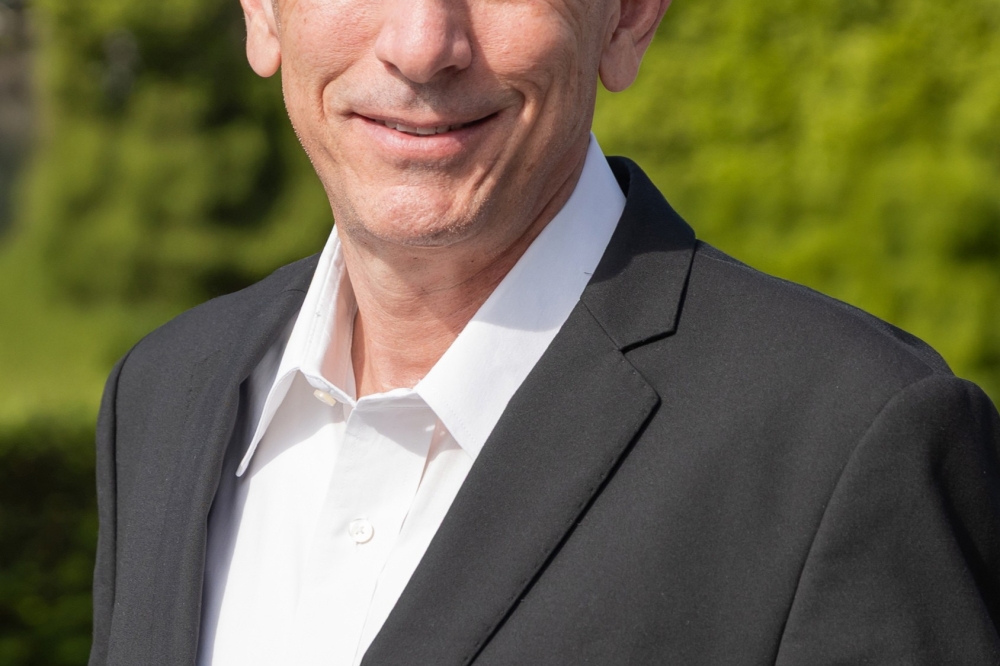
 Alan Maher, Business Development Manager, Greene Tweed