Silicon Carbide Inverter for Heavy Vehicles market to reach $5.8 billion by 2033
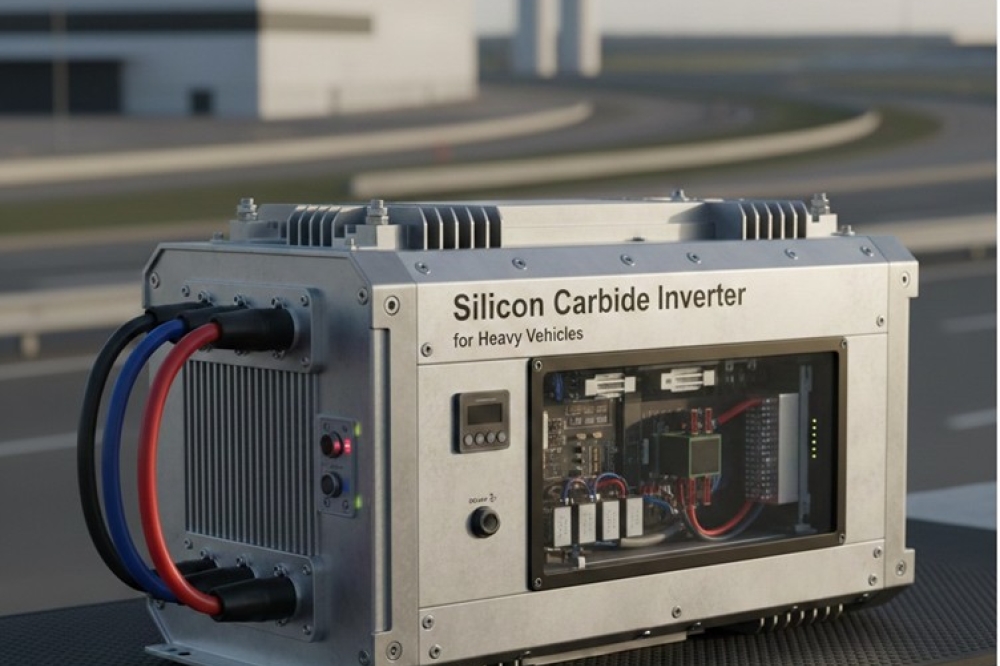
One of the major factors fueling this robust growth trajectory is the increasing adoption of electric heavy vehicles, particularly in sectors such as public transportation, logistics, mining, and construction. The superior efficiency, compactness, and high-temperature tolerance of silicon carbide (SiC) inverters make them highly attractive for heavy-duty applications, where power density and operational reliability are paramount. As governments worldwide intensify efforts to decarbonize transportation and manufacturers strive for greater vehicle range and performance, SiC inverters are fast becoming the technology of choice for next-generation heavy electric vehicles.
Introduction: The Growing Need for Tougher, Smarter Power Electronics
Heavy-duty vehicles—trucks, buses, construction machines, and long-haul trailers—are entering a transformative phase as global industries push toward cleaner, electrified mobility. But electrifying heavy vehicles is not as simple as scaling up EV technologies designed for passenger cars. These machines demand extreme endurance, massive torque, rapid charging, and uncompromised reliability.
At the heart of this shift lies a breakthrough technology: Silicon Carbide (SiC) inverters.
SiC inverters are fast emerging as the “muscle and brain” of heavy electric drivetrains. They ensure that every watt of power is converted with maximum efficiency, enabling electric heavy vehicles to travel farther, carry more, and perform better than ever before.
Why Silicon Carbide? The Technical Advantage Behind the Revolution
Superior Efficiency Under Heavy Loads
Traditional silicon-based inverters struggle with thermal losses when dealing with high voltages and currents.
SiC inverters, however, offer:
• Higher switching frequencies
• Lower conduction losses
• Consistently strong thermal performance
This directly translates into longer driving ranges, reduced battery load, and lower operational costs.
High Voltage Compatibility
Most heavy EVs operate in the 800V–1200V range. SiC inverters can easily support these voltage levels, allowing:
• Faster DC fast-charging
• More energy-dense powertrains
• Better performance on steep gradients and heavy hauling
Compact and Lightweight Architecture
In an industry where every kilogram matters, SiC inverters offer:
• Smaller cooling systems
• Reduced inverter size
• More space for battery packs
For fleet operators, this means enhanced payload capacity and improved long-term profitability.
Market Drivers: What’s Fueling the Adoption of SiC Inverters?
Electrification Demands from Logistics and Mining
Global logistics giants and mining companies are under increasing sustainability pressure. SiC inverters support:
• High-duty cycles
• Continuous operations
• Rugged environmental conditions
As a result, heavy EV adoption is accelerating across ports, warehousing hubs, and mining fields.
Government Policies and Zero-Emission Mandates
Europe, China, and North America are tightening emission standards for commercial vehicles. This is pushing OEMs toward:
• Battery-electric trucks
• Hybrid heavy vehicles
• Hydrogen fuel-cell trucks (which also use SiC inverters for drivetrain efficiency)
Government incentives for cleaner transport are further boosting market momentum.
Growing Demand for Fast Charging
Fleet vehicles cannot afford downtime.
SiC inverters enable:
• Ultra-fast charging
• Reduced heat build-up
• Longer system lifetime
This makes them indispensable for high-utilization fleets.
Industry Applications: Where SiC Inverters Are Making the Biggest Impact
Long-Haul Electric Trucks
SiC inverters help heavy trucks maintain performance across long distances while minimizing battery drain—critical for commercial fleet economics.
Electric Buses and Coaches
City buses benefit from:
• Higher efficiency
• Quieter operation
• Lower maintenance
SiC inverters support repeated stop-and-go cycles with minimal thermal stress.
Construction and Agricultural Vehicles
Bulldozers, loaders, harvesters, and cranes are increasingly adopting SiC-based powertrains for:
• High torque
• Precision control
• Reduced fuel dependency
Off-Highway and Military Vehicles
Extreme environments demand rugged electronics. SiC inverters excel under:
• Vibration
• Temperature extremes
• Heavy shock loads
Market Challenges: What Still Needs to Be Solved?
High Material and Manufacturing Costs
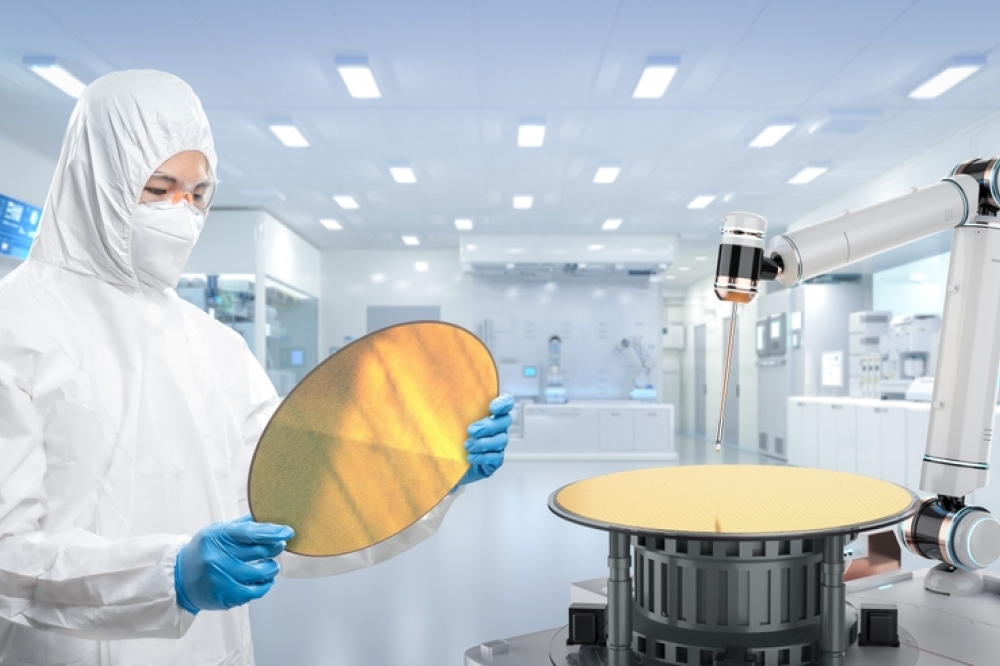
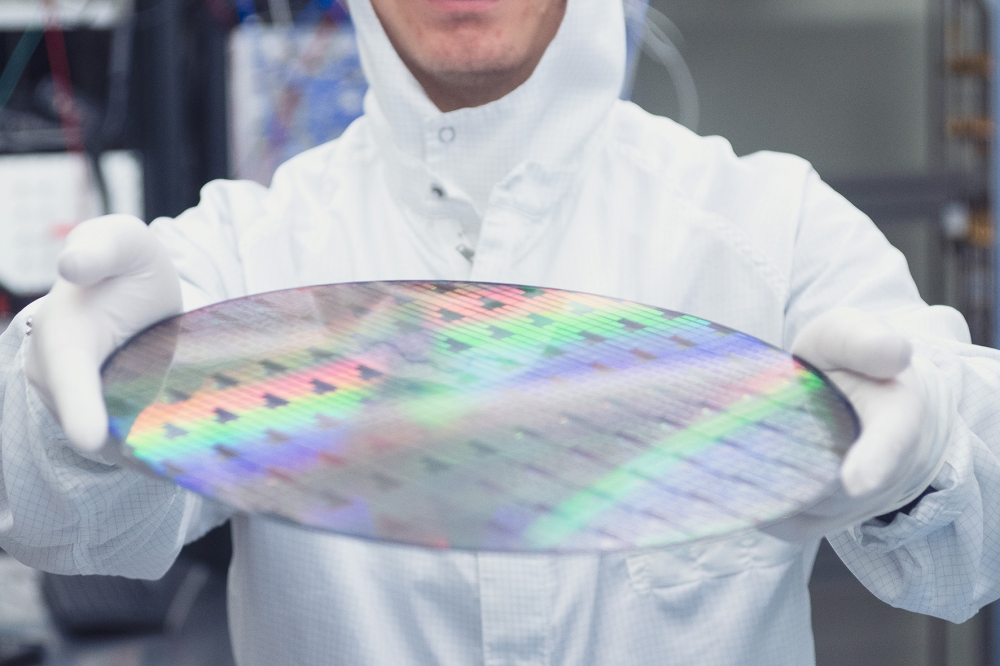
SiC wafers and device fabrication remain costlier compared to traditional silicon. However, economies of scale and improved manufacturing processes are rapidly narrowing the gap.
Supply Chain Constraints
As global SiC demand rises, ensuring steady wafer supply is becoming a challenge for OEMs.
Need for Skilled Integration
Incorporating SiC technology into heavy vehicle powertrains requires:
• Expertise in thermal management
• Advanced gate driver design
• High-voltage safety engineering
Despite these challenges, the overall market momentum remains overwhelmingly positive.
Competitive Landscape
• STMicroelectronics
• Infineon Technologies AG
• Cree, Inc. (Wolfspeed)
• ON Semiconductor
• Mitsubishi Electric Corporation
• Rohm Semiconductor
• Hitachi, Ltd.
• Fuji Electric Co., Ltd.
• Dana Incorporated
• BorgWarner Inc.
• Danfoss Group
• Delphi Technologies (BorgWarner)
• Semikron Danfoss
• Vitesco Technologies
Future Outlook: A Market Set to Accelerate
According to Research intelo, The Silicon Carbide inverter market for heavy vehicles is poised for exponential growth over the next decade. Key trends include:
• Wider adoption of 800V–1500V architectures
• Integration of AI-driven inverter control systems
• Increased SiC supply from new global fabs
• Rising investment from truck manufacturers and fleet operators
Analysts predict SiC inverters will become the standard in heavy electric vehicles by the early 2030s, replacing silicon-based systems almost entirely.
Source:- https://researchintelo.com/report/silicon-carbide-inverter-for-heavy-vehicles-market