Greenock semiconductor plant boosts efficiency through smarter use of data
The initiative, delivered through NMIS’s Data-Driven Design and Manufacturing Colab (D3M-Colab) programme, is helping manufacturers build in-house data science capability and apply it directly to operational challenges.
At Diodes’ 24-hour wafer fabrication site, which generates large volumes of production data, engineers previously relied on manual processes, using spreadsheets to extract and analyse information. While effective, this approach limited scalability and the speed at which insights could be generated.
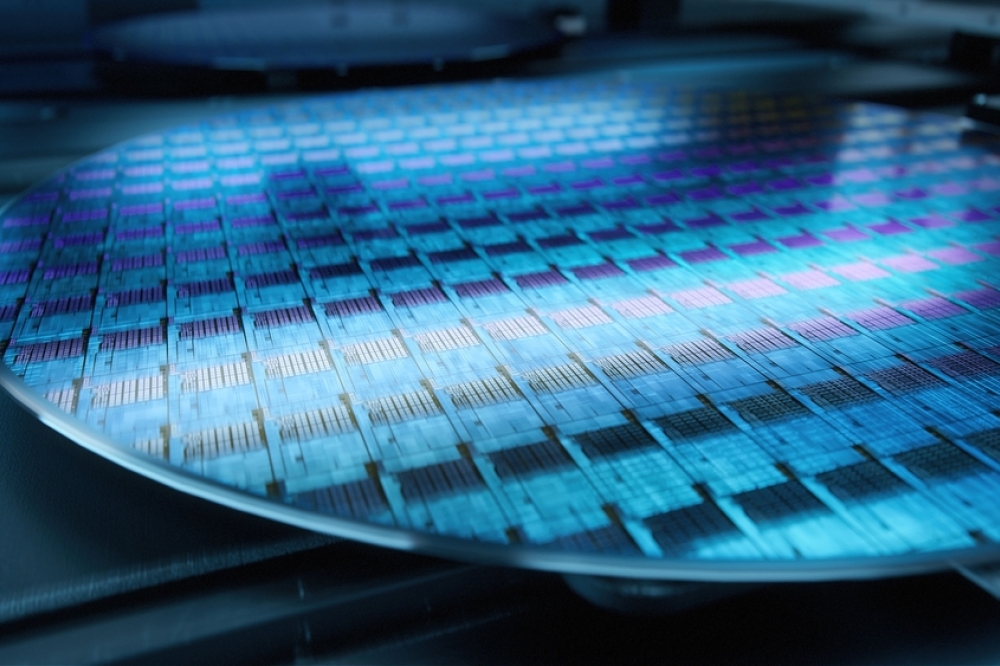
Semiconductor wafers underpin technologies across energy, transport and advanced manufacturing, with the UK market valued at more than £10 billion in 2024 and projected to grow significantly over the next decade.
Working with NMIS, which is operated by the University of Strathclyde, Diodes’ engineers have adopted more advanced data science techniques, including Python and specialist semiconductor software. This shift is allowing greater automation of data workflows, reducing manual input while improving the consistency and accessibility of analysis.
The D3M-Colab programme included a 12-week structured training element, designed to equip participants with the skills to develop and deliver data-led projects independently, alongside ongoing support from NMIS data scientists. It has also supported the creation of dashboards that present data more clearly, enabling faster and more informed decision-making.
Andrew Burns, engineering manager at Diodes Incorporated, said: “Working with NMIS has given our engineers the tools and capability to move beyond manual data analysis and start using more advanced approaches. We’re now able to present our data in a much more accessible way, which means decisions can be made more quickly and with greater confidence. It’s helped us identify where we can improve efficiency, quality and cost, and it’s opened the door to how we can use data even more effectively in the future.”
Diodes’ engineers are now exploring further applications, including the use of artificial intelligence (AI) to analyse manufacturing outputs at scale and predictive maintenance to detect early signs of failure. These approaches could reduce downtime, lower maintenance costs and extend equipment life.
Andrew Sherlock, director of data-driven manufacturing at NMIS, said: “The real value of this work is in helping manufacturers move beyond collecting data and start using it to address challenges in their operations. By bringing together engineering expertise and data science, we’re supporting teams to identify where improvements can be made and giving them the skills to turn that insight into action, driving better decisions and outcomes across the business.”
This work sits within a wider effort to strengthen Scotland’s semiconductor capability, including the soon to be opened NMIS National Advanced Semiconductor Packaging and Integration Centre (NASPIC) in Renfrewshire, which will support the development and commercialisation of next-generation technologies.
Led by Innovate UK on behalf of UK Research and Innovation, the Innovation Accelerator programme is investing £100m in 26 transformative research and development projects to accelerate growth across three high-potential innovation clusters: Glasgow City Region, Greater Manchester and West Midlands.